Backcountry vs Frontcountry Gear: What Actually Matters
Understanding the real differences between gear built for remote wilderness and established campgrounds.

The gear aisle at any outdoor retailer splits pretty cleanly: ultralight backcountry kit on one side, heavier-duty frontcountry stuff on the other.
But the distinction isn't always about weight alone. Backcountry and frontcountry gear solve different problems—and understanding those problems matters whether you're planning a weekend car camp or a ten-day alpine push.
In 2026, with gear tech advancing faster than ever, the line between these categories is blurring. Some pieces work for both. Others don't, and trying to force it can ruin a trip.
What Defines Each Category
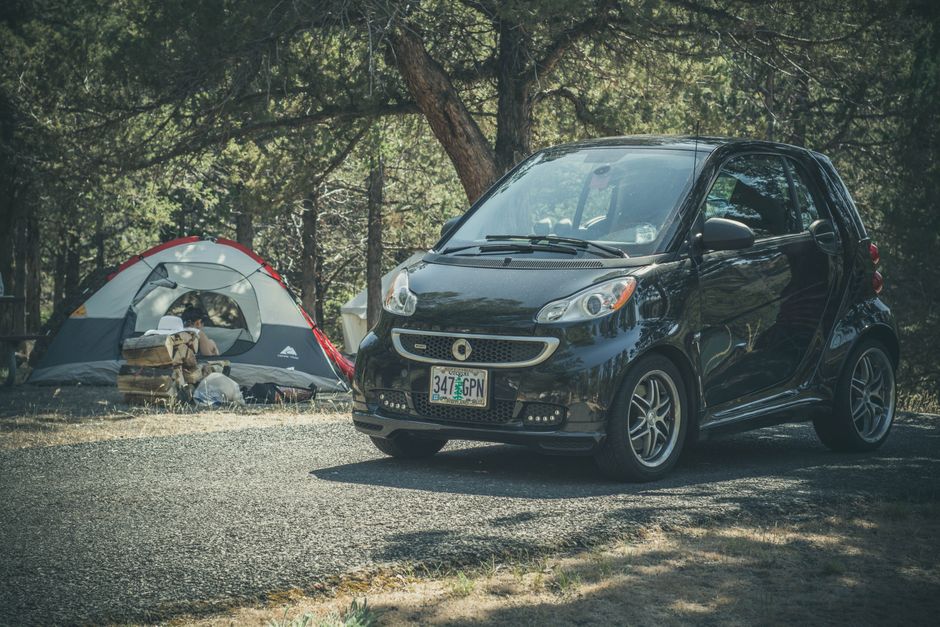
Frontcountry gear assumes you can drive to your site or it's within a short walk of established infrastructure.
You can bring heavier items because weight isn't a constraint. A car-camping tent might weigh eight pounds. You have access to water, maybe bathrooms, and you're not rationing food or fuel.
Backcountry gear assumes you carry everything. A backpacking tent typically weighs two to three pounds. Cook systems use minimal fuel. Every ounce compounds over miles.
The real divider: distance from resupply and vehicle support. Frontcountry tolerates bulk and redundancy. Backcountry demands efficiency.
Core Spec Differences
The Durability Trade-Off
Frontcountry gear often uses heavier fabrics and sturdier zippers because it endures repeated packing, unpacking, and rough handling without babying.
Backcountry gear prioritizes lightweight materials—ripstop nylon, thin aluminum poles—that perform well but demand careful use.
A car-camp tent can sit in a stuff sack for years. A backcountry tent needs to be dried and stored properly or the fabric degrades faster.
This isn't a weakness; it's a choice. You gain ounces of weight savings in exchange for slightly shorter gear lifespan. Most backcountry users accept that trade.
Can You Overlap?
Crossover Works When
- Some ultralight backcountry gear works fine at established campgrounds if you're careful.
- Midweight sleeping bags (around 2–3 lbs) bridge both worlds reasonably well.
- Ultralight cooking systems are compact enough for both setups.
- Minimalist backpacks can work for casual car camping.
Crossover Fails When
- Backcountry tents feel cramped and delicate at a frontcountry site where you want comfort.
- Carrying backcountry-weight gear to a carpark negates the whole point of ultralight design.
- Frontcountry sleeping systems are too bulky to haul multi-day trails.
- Trying to use one kit for both often means compromising on both fronts.
Picking Your Path
If you car camp most weekends and occasionally day-hike, frontcountry gear is simpler and more comfortable. Don't chase ultralight specs you don't need.
If you backpack regularly—three nights or longer—backcountry gear becomes essential. The weight savings compound.
The honest overlap: a three-night trip to an established backcountry campground might let you use either category. But as trips get remoter or longer, the choice narrows.
According to industry data from Backpacker Magazine, the average backcountry user carries 18–22 pounds of gear (excluding food and water). Frontcountry setups often run 25–40 pounds. That gap matters over day five.

Buy backcountry gear if that's your primary use. If you're mostly car camping, comfort wins over weight. The best kit is the one that matches your actual trips, not the trips you imagine taking.
The Real Difference
Backcountry and frontcountry gear aren't ranked—they're built for different missions.
Backcountry eliminates everything nonessential. Frontcountry embraces convenience. Neither approach is wrong.
The mistake is buying one category and expecting it to excel at the other. Start with your honest trip profile—how far you walk, how often you camp, what weather you face—then let that guide your gear budget.
That's cleaner than chasing gear trends or optimization porn. Your kit should match your adventures, not the other way around.