How Modern Luggage Design Shapes Travel in 2026
Smart materials, modular systems, and weight innovation are redefining what goes in your bag.

Luggage design has shifted dramatically over the past decade. What once meant choosing between a hard shell or soft-sided bag now involves decisions about weight distribution, modular compartments, and material sustainability.
The outdoor travel market has become a testing ground for these innovations. Backpackers, frequent flyers, and adventure travelers now demand luggage that balances durability with minimal weight—a trade-off that manufacturers are solving with unexpected materials and structural rethinking.
In 2026, the best travel luggage looks less like a box and more like a system.
Material Innovation Driving Weight Down
Traditional luggage relied on polycarbonate shells and ballistic nylon for protection. These materials work, but they're heavy—a full-sized suitcase alone can weigh 8-12 pounds.
Newer designs employ composite fabrics that blend ripstop nylon with grid structures, creating rigidity without mass. Some brands now use recycled ocean plastic or bio-based polymers, addressing both weight and environmental concerns.
The shift matters most for travelers packing light. Shaving two pounds off your luggage weight means two more pounds of gear, clothes, or supplies—a real advantage on multi-week backcountry trips.
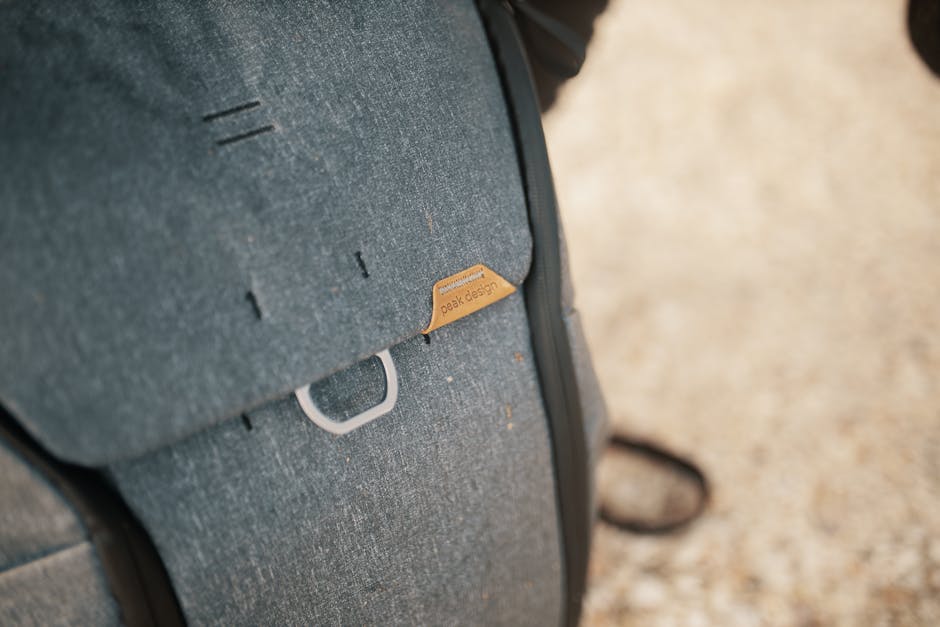
2026 Luggage Design Priorities
Modular Systems Replace One-Size-Fits-All
The old model—buy one large suitcase for everything—is fading. Travelers increasingly prefer modular systems where a main pack clips to smaller day packs or organizer cubes.
Paravel Luggage and similar brands have pushed this approach, offering detachable components and flexible internal organization. You pack only what you need for each leg of a trip.
This flexibility appeals to adventure travelers who mix urban exploration with remote camping. A 40-liter pack converts to a 20-liter summit bag; a carry-on expands for longer stays.
Modularity also extends luggage lifespan. If one component wears out, you replace it—not the entire bag.
TSA and Airline Integration
Luggage design now accounts for security theater. The TSA's screening guidelines shape everything from pocket placement to lid construction.
Bags with TSA-approved locks, dividers that allow full opening without removing contents, and removable electronics pouches have become standard features across price points.
Airline carry-on dimensions are equally influential. Most modern designs slot neatly into 22×14×9-inch constraints without sacrificing internal space.

Hard Shell vs. Soft-Sided Trade-offs
Hard Shell Advantages
- Superior crush resistance for checked baggage
- Weather-sealed construction
- Easier to clean
Hard Shell Drawbacks
- Heavier per liter of capacity
- Less flexible packing
- Loud rolling noise on stone surfaces
Sustainability as Standard
Outdoor-focused luggage brands have shifted toward recycled and renewable materials out of necessity and principle. Nylon from plastic bottles, canvas from organic cotton, and aluminum frames from scrap stock are now common.
This matters beyond marketing. Durable luggage that lasts a decade generates less waste than three cheap bags replaced every 3-4 years.
Repairability is also part of the equation. Brands offering lifetime warranty support and modular replacement parts encourage long-term ownership—a sustainability strategy that aligns with outdoor ethics.
What Matters Now
The best luggage for 2026 travel is lighter, more modular, and more thoughtfully integrated with airport security and airline standards than ever before.
Whether you're on a three-week backpacking loop or a quick city trip, the luggage you choose shapes how much friction you encounter—from packing to security lines to trail portages.
Prioritize weight, accessibility, and durability over aesthetics. A bag that works harder for you, year after year, is always the better investment.