Truck Rack Systems: Load Management in 2026
Modern trucks demand smarter cargo solutions. Here's what matters when choosing a rack system.
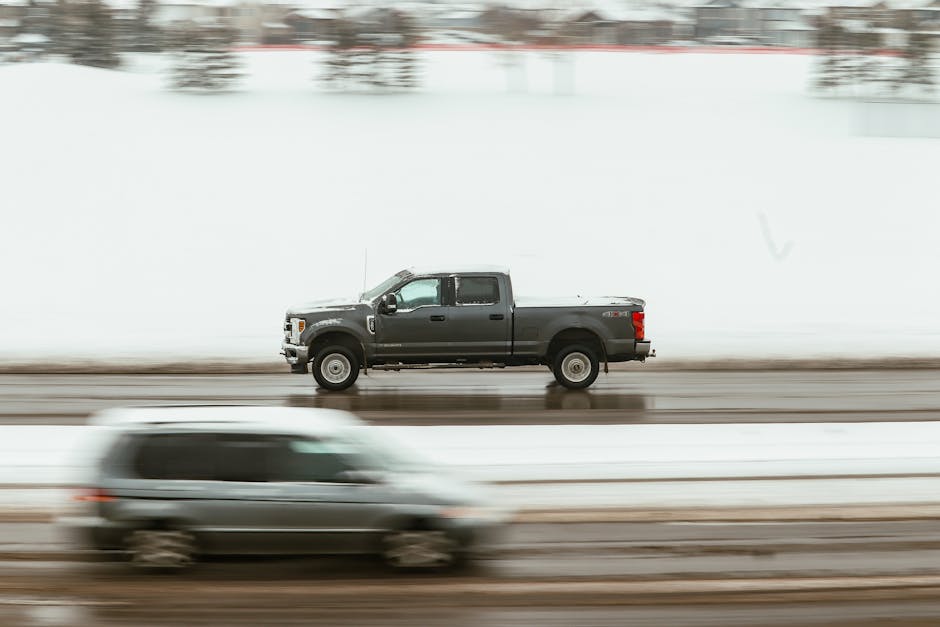
Truck owners carry more stuff than ever. Tools, gear, camping equipment, kayaks—the payload demands keep growing.
A solid rack system turns a truck bed into organized cargo space. But which setup actually works for your rig?
Why Load Management Matters
Loose cargo shifts during turns and braking. It bounces out at highway speeds. It blocks your rear view.
According to the National Highway Traffic Safety Administration, improperly secured loads cause accidents and damage.
A rack system eliminates guesswork. It keeps cargo accessible, visible, and safe.
Rack System Basics
Common Rack Styles in Use Today
1. Full-bed racks — Cargo hauling, work trucks, serious overlanding
Cover the entire bed. Bolster weight distribution and maximize usable space. Best for frequent, heavy loads.
2. Half-bed racks — Casual truck owners, mixed hauling
Mount behind the cab. Leave tailgate free for easy access. Popular for weekend warriors.
3. Specialty racks — Kayaks, ladders, bikes, fuel cans
Designed for one type of gear. Mount quickly, store when not in use. Ideal for focused activities.
4. Modular systems — Flexibility, evolving needs
Mix-and-match components. Swap crossbars, baskets, and attachment points. Adapts as your gear changes.

What to Weigh Before Buying
Your truck model matters. Some bed rails are stronger than others. Some trucks have tie-down points; older models don't.
Think about what you actually haul. A contractor who carries pipe and lumber needs different support than a climber ferrying gear to the crag.
Weight adds up fast. A steel full-bed rack itself can weigh 150–250 lbs. Loaded cargo stacks quickly. Make sure your truck suspension can handle the total.
Budget ranges from $300 (basic half-bed) to $2,000+ (heavy-duty modular systems). Back Rack and other established brands offer mid-range aluminum options that balance durability and affordability.
Ease of install and removal matters too. Some truck owners want permanent fixtures; others prefer seasonal or task-specific racks.

Even with a rack, secure each item with straps or nets. A rack organizes space but doesn't replace individual tie-downs. Check your rack before each trip—bolts loosen over time.
Future Trends in Truck Cargo
More truck owners are choosing aluminum over steel. It resists corrosion and won't fade paint where it touches the bed.
Integrated power outlets and lighting are creeping in. Some newer racks include LED work lights or USB charging points for camp trips.
Compatibility with existing truck-bed covers is becoming standard. Buyers want to lock down both cover and rack as a single system.
Per Trucks Today, modular designs are outselling rigid frames—owners want flexibility over fixed configurations.
The right rack depends on you
A truck bed without a rack is wasted potential. Cargo rolls, bounces, and blocks your view.
Invest time matching the system to your lifestyle—not to marketing hype. Then strap everything down properly.
Your truck will carry more, and you'll drive safer.