What Makes British Luggage Craftsmanship Stand Apart
How heritage techniques and material quality define a distinct approach to travel bags.

British luggage makers operate in a quieter corner of the travel world—not chasing trends, but refining fundamentals.
Their approach rests on three pillars: material selection, construction method, and durability expectation.
This philosophy has roots stretching back decades, yet remains surprisingly relevant in 2026.
Material Selection as First Principle
British luggage craftspeople treat material choice as the foundation—not an afterthought.
Full-grain leather, ballistic nylon, and canvas sourced from British mills appear across heritage collections.
The logic is straightforward: better raw materials age visibly but predictably.
A scuffed British leather bag tells a story. A deteriorating synthetic one reads as failure.
Construction: Hand and Machine in Balance
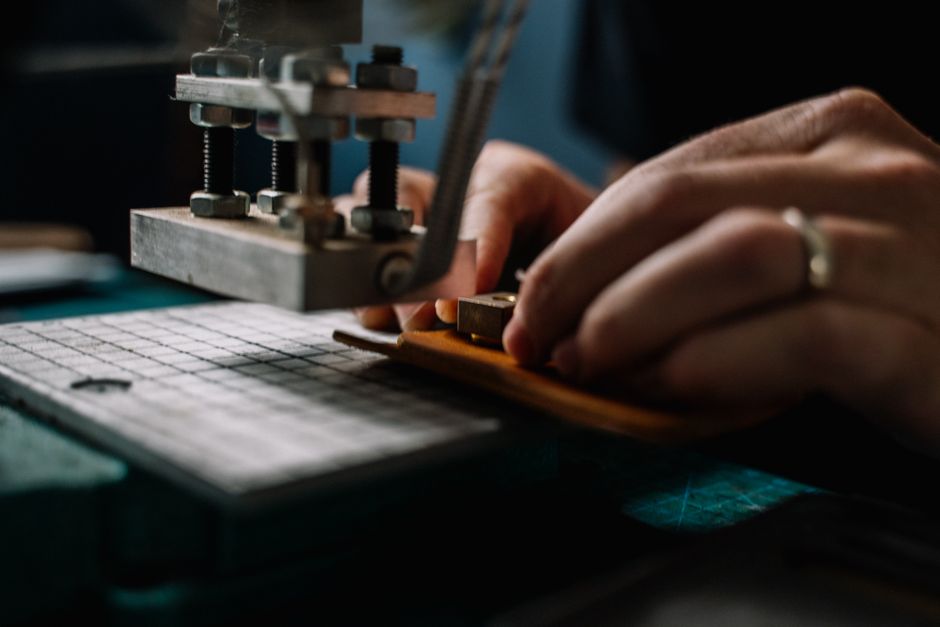
Many British makers blend hand-finishing with modern machinery—a pragmatic stance.
Seams, handles, and reinforcement points receive manual attention; repetitive edge-folding gets mechanized.
This hybrid approach keeps prices tethered to reality while preserving craft integrity.
According to Britannica's overview of suitcase history, construction durability has always separated premium luggage from commodity bags.
Common British Luggage Benchmarks
Why Repair Culture Matters
Most British luggage makers stock spare handles, zippers, and lining fabric.
Britbag Luggage typifies this ethos: a ten-year-old bag can be refreshed rather than discarded.
This stance aligns with growing environmental scrutiny around single-use travel goods.
Repairability also reflects a calculation: owning a lasting piece costs more upfront but accumulates fewer trips to landfill.
Trade-Offs in the British Approach
Strengths
- Materials age gracefully and patina visibly over time
- Spare parts and repair services extend bag lifespan by years
- Construction transparency—you see how seams are joined
- Typically lighter than over-engineered alternatives
Trade-offs
- Higher initial cost relative to mass-market luggage
- Leather and canvas require occasional conditioning
- No rolling wheels or modular compartments on heritage styles
- Smaller production runs mean limited color and size options
Heritage Influence on Modern Design
Vintage British travel trunks and cabin luggage from the 1970s–90s remain functional today.
Modern makers reference those proportions, handle placements, and material weights—not as nostalgia, but as proven ergonomics.
Paradoxically, this restraint reads as contemporary in a market saturated with novelty features.
The IATA's consumer guidelines on luggage standards reinforce that durability and practical geometry outpace gimmickry.

British luggage makers have quietly benefited from the slow-goods movement—consumers now ask 'will this last?' before 'is this trendy?'
The Practical Appeal of Restraint
British luggage craftsmanship thrives on a simple premise: a bag's job is to protect and last.
No app integration, no modular zips, no weight-shaving marketing.
The minimalism is not a limitation but a clarity of purpose that appeals to travelers tired of complexity.
In 2026, that straightforward ethos feels increasingly countercultural—and increasingly relevant.