Why Premium Coolers Are Reshaping Outdoor Adventures in 2026
High-end cooling systems are shifting how serious adventurers approach trips—and the reasons go beyond keeping drinks cold.

The cooler aisle has transformed. What was once dominated by plastic boxes and styrofoam has given way to engineered systems with rotomolded shells, gasket seals, and ice-retention specs measured in days.
For backcountry trips, fishing camps, and multi-day expeditions, the premium cooler market has matured into a serious gear category—one where durability, weight, and thermal performance genuinely matter.
The shift reflects a broader pattern: outdoor enthusiasts are willing to invest in fewer, better pieces of equipment that last years and perform flawlessly in the field.
The Performance Leap
Entry-level coolers typically hold ice for 3–5 days under moderate conditions. Premium models routinely exceed two weeks.
This gap comes down to insulation thickness, foam density, and seal integrity. A quality gasket prevents air exchange that melts ice faster than poor engineering ever could.
According to REI's cooler buying guide, wall thickness and gasket design are the primary variables separating mid-range from high-end units.
For remote trips where resupplying ice isn't an option, that performance difference becomes critical—sometimes the difference between a successful expedition and a compromised one.
What Sets Premium Coolers Apart

The Real-World Trade-Offs
Premium coolers aren't ideal for every trip. A weekend car-camping run to a populated campground doesn't warrant a $500+ investment.
Weight and footprint matter too. A high-end cooler can weigh 50–80 pounds empty. For backcountry hiking, that's prohibitive.
But for boat trips, base camps, and vehicle-based expeditions where the cooler stays in one place, the premium model shines. Orca Coolers exemplifies this positioning—engineered for multi-week thermal performance in remote settings where replacements aren't feasible.
The choice ultimately hinges on trip duration, resupply logistics, and whether you're rotating gear across many adventures or settling on one exceptional piece.
When Premium Coolers Make Sense
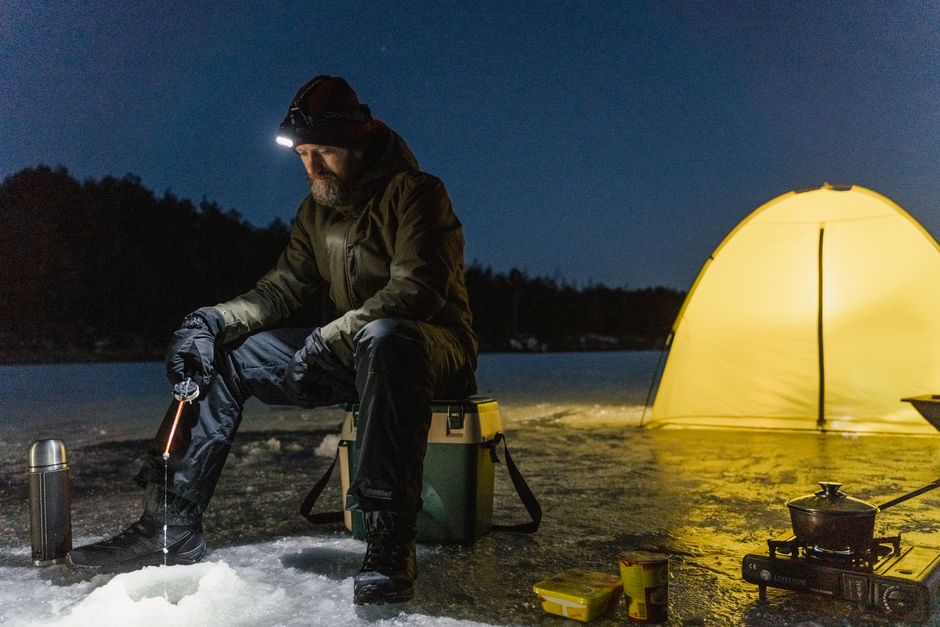
1. Extended Fishing Expeditions — Multi-week trips where ice needs to last without resupply—critical for keep-alive protocols and food safety.
- 14–21 day ice retention
- Compact footprint for boat cabins
- Bear-proof latches
2. Remote Base Camps — Stationary camps where the cooler lives in one spot and thermal consistency is non-negotiable.
- Superior insulation
- Weather resistance
- Stackable design for compound storage
3. Long-Range Boat Operations — Offshore runs or multi-day cruises where onboard storage is fixed and reliability is safety-critical.
- Non-skid feet
- Integrated tie-down slots
- Salt-resistant hardware
4. Professional Outfitting — Guiding services and tour operators managing client expectations across dozens of trips annually.
- Predictable lifespan (15+ years)
- Minimal field repairs needed
- Consistent performance across seasons
The Investment Calculus
A premium cooler costs 5–10 times what a basic model does. But amortized across 15 years of field use, the per-trip cost narrows considerably.
More importantly, premium coolers often become the pieces you *don't* replace. They age gracefully, require minimal maintenance, and hold value well in secondary markets.
For outfitters and guides, this translates to fewer client complaints, better reputation, and reduced replacement cycles. For private adventurers, it means one less piece of gear to rethink before each expedition.
According to Outdoor Life's cooler testing, the most reliable performers consistently come from manufacturers who specialize in rotomolded construction and prioritize thermal engineering over aesthetic features.
Pre-chill your cooler 24 hours before packing. Layer ice with cardboard dividers to slow melting. Shade matters—a covered cooler lasts significantly longer than one in direct sun, regardless of insulation.
The Shift Toward Lasting Gear
Premium coolers represent a broader trend in outdoor equipment: paying more upfront for pieces that don't require replacement or compromise.
They won't suit every adventure, but for the trips where thermal performance and durability are non-negotiable, they deliver a clarity that budget alternatives simply can't match.
In 2026, the outdoor market continues rewarding manufacturers who treat coolers as engineered systems rather than disposable containers. That investment has created a category worth considering seriously if your trips demand it.