Backcountry vs Frontcountry Gear: What You Actually Need
Understanding the real differences between wilderness and accessible outdoor equipment.

The gear aisle divides cleanly: backcountry and frontcountry equipment serve opposite worlds.
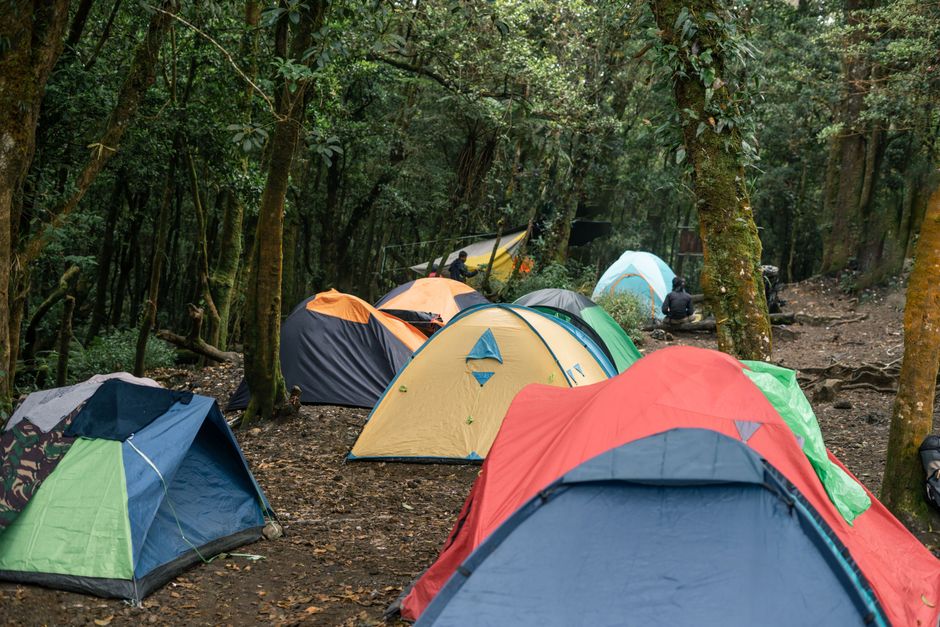
Backcountry means miles from the car, no bailout option. Frontcountry means trailheads, established campsites, short hikes.
Most outdoor enthusiasts use both. Knowing which gear matters for each saves money and weight.
The weight penalty of backcountry prep
Backcountry gear weighs more because it solves for worst-case scenarios. A frontcountry tent sheds rain; a backcountry tent resists three-day storms alone.
Sleeping bags rated for 20°F versus 0°F add pounds fast. Water filtration for remote creeks differs from filling at an established spigot.
The Backpacking Light community has spent years optimizing this tradeoff—every ounce counts when you carry it all day.
Quick comparison: the essentials

Durability and repair philosophy
Frontcountry gear gets one season of weekend use. Backcountry gear lives in your pack.
A zipper failure at car camp means a quick swap. Miles from trailhead, you fix it or live with it.
This shifts gear choices: heavier materials, bomb-proof seams, field-repair-friendly designs become non-negotiable in the wilderness.
Frontcountry gear appeal
Strengths
- Lower cost overall—comfort features matter more than weight.
- No redundancy needed; help is nearby.
- Simpler setup and learning curve for beginners.
- Easier resupply if you forget something.
Trade-offs
- Overkill weight if you ever hike backcountry.
- Not rated for multi-day weather exposure.
- Repair-hostile designs waste time in the field.
The hybrid approach most hikers use
Few outdoors people own only backcountry or frontcountry kits. Real overlap exists.
A 3-season backpacking tent works fine at a roadside campground. A robust sleeping pad handles both environments.
Start frontcountry, identify what you actually use, then upgrade specific pieces for backcountry trips—not an all-or-nothing swap.
Backpacker magazine's gear reviews often highlight versatile options that bridge both camps without breaking your budget.
The right gear for your trips
Pick your most common activity first. If you're car camping most weekends, frontcountry gear is smarter.
Plan one backcountry trip? Rent or borrow backcountry-specific pieces rather than buying redundant kits.
Over time, a core collection of ultralight, durable pieces handles both. That's the real end goal—not separate arsenals, but overlap.